1945
The Second World War
Born into a Jewish family from Eastern Europe, with parents who survived the extermination camps, Zlotykamien was deeply affected from the outset by this violence and injustice, which fueled his work.
Throughout his life, whether faced with Hiroshima, genocides, Vietnam, apartheid, terrorist attacks, or the war in Ukraine, the artist was always deeply affected. Why does humanity persist in destroying itself in this way?
1963
The street to fight censorship
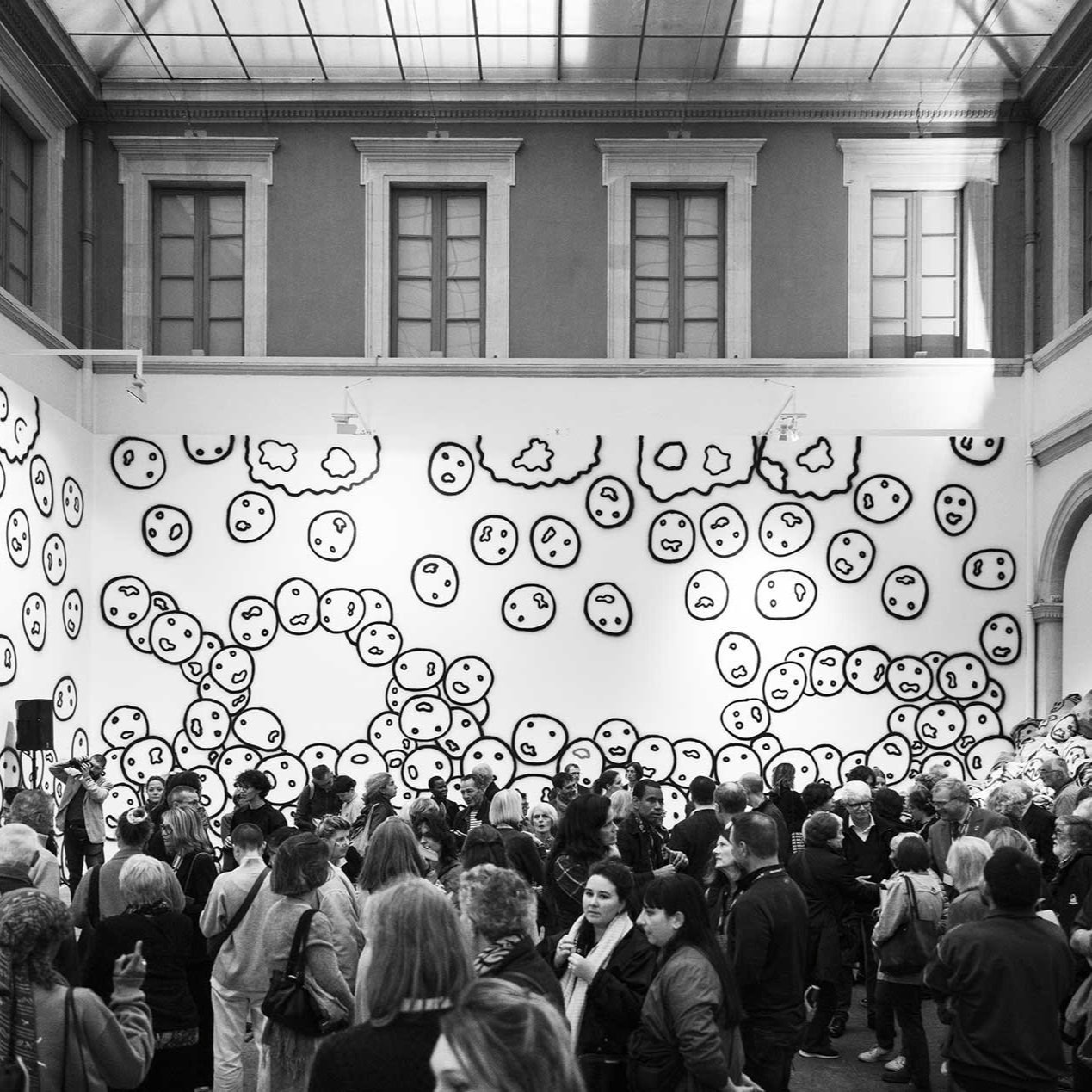
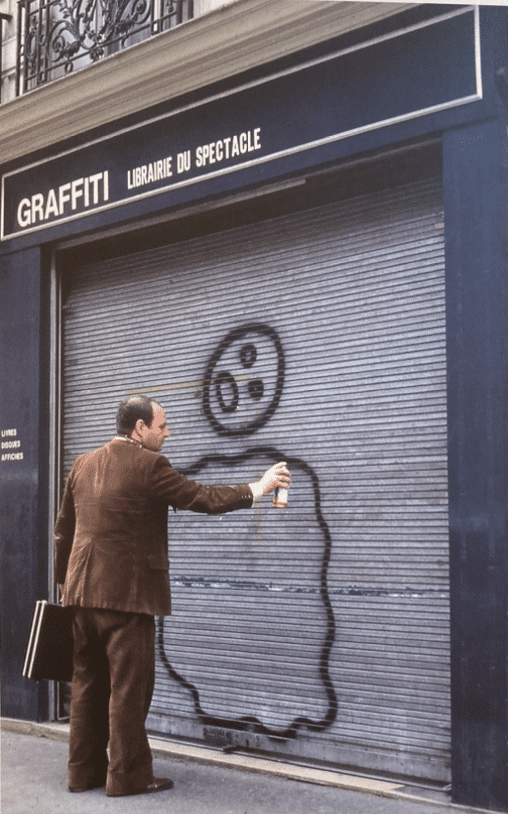
In 1963, Gérard Zlotykamien participated in the 3rd Paris Biennale as part of the group “L'Abattoir,” initiated by Eduardo Arroyo. He presented three works, one of which depicted disemboweled dictators on display in a museum. One of these political figures, on an official visit, had the work censored. Zlotykamien, shocked, declared that he would never paint for museums again. Thus, he chose the street as a space for freedom and resistance. His silhouettes, the “Ephemerals,” became urban memorials against oblivion.
A pioneer of street art, he would disguise himself to paint, was the first to be convicted, but never gave up. During a trial in Germany, he declared: “I will erase my works when you give me back mine.” Acquitted, he became a symbol of artistic resistance.
1977
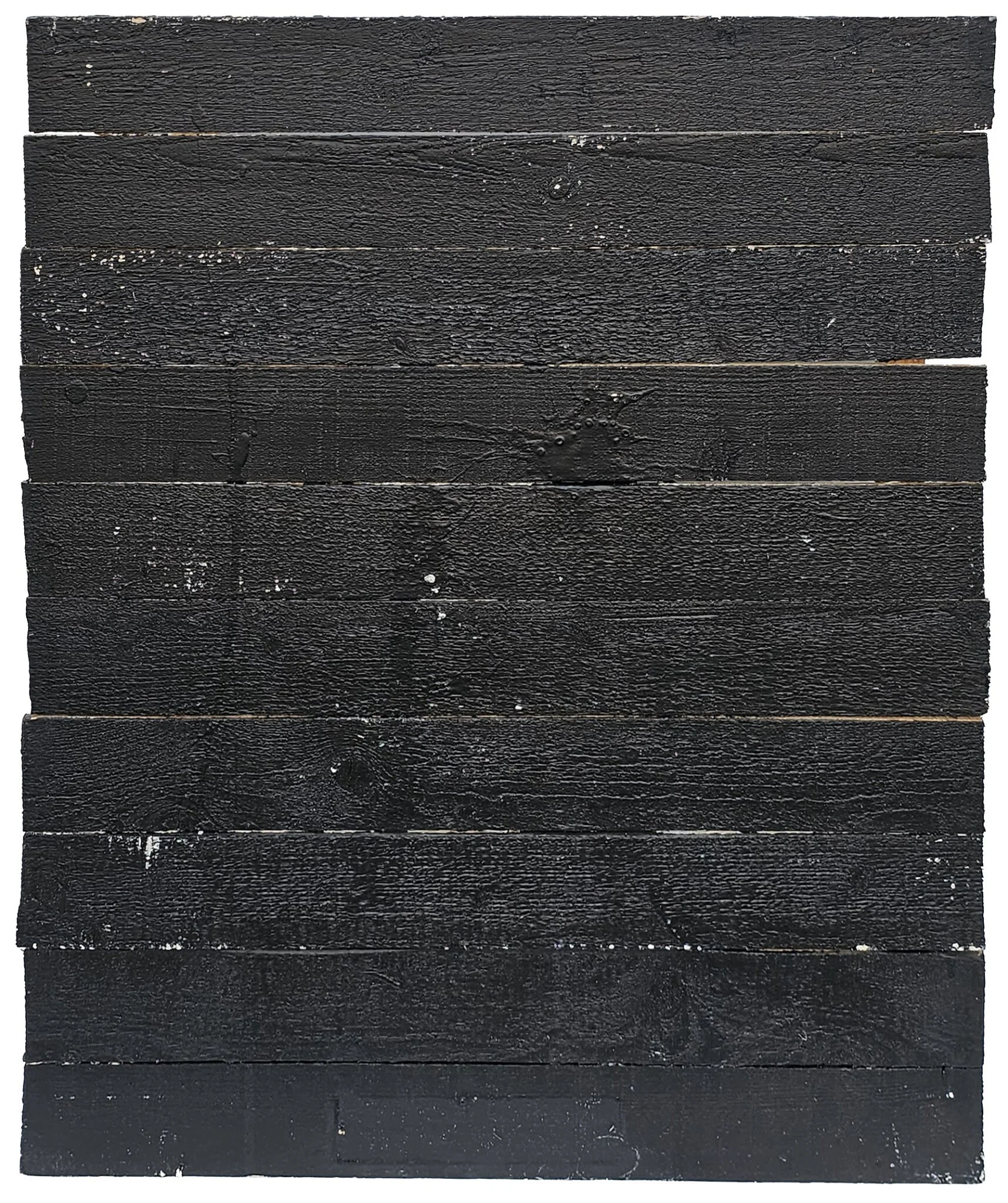
“Effacements”
Disappearance permeates Zlotykamien's work, haunted by a family history. In 1977, at the Charley Chevalier Gallery, he unveiled fifteen “Éphémères,” only to cover them in black before the audience in a radical gesture he called “Effacement.” The black, dense and absolute, evokes carbon, death, and the cinders left in the wake of fire, transforming absence into a tangible presence. In this act, erasure becomes memory, and the void itself bears witness. In 2024, the Centre Pompidou acquired one of the fifteen works from this seminal exhibition, cementing its place in the canon of post-war European art.
2024
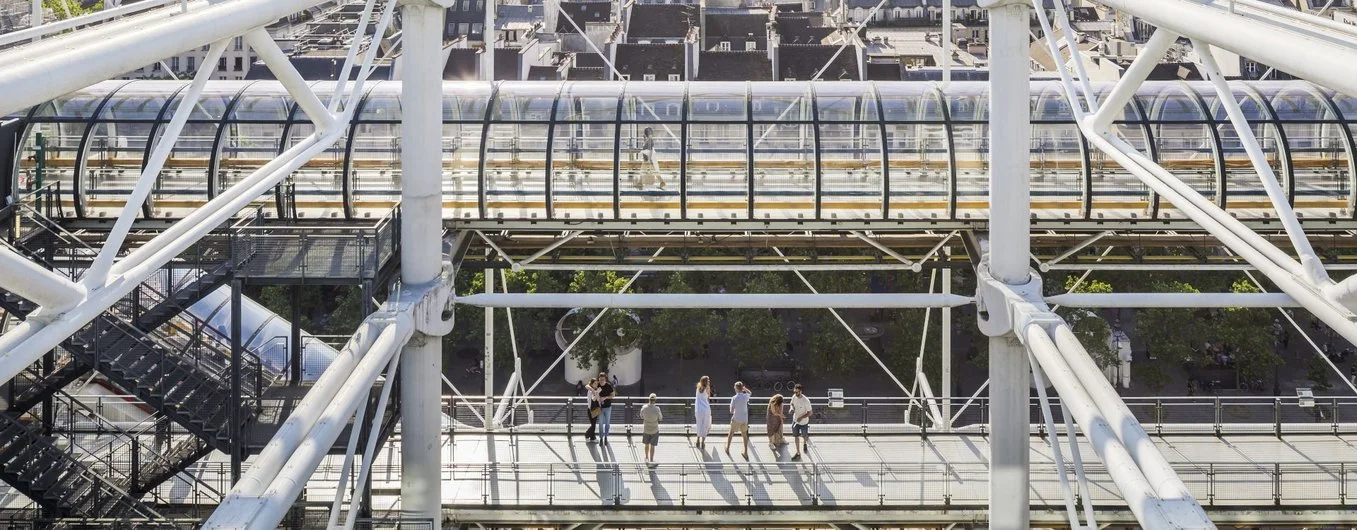
The Pompidou Center
History proved him right: in 2024, the Pompidou Center honored his work by adding eight of his pieces to its collection. This gesture marked the recognition of an art form that was once illegal but has now become part of our heritage, proving that an act of transgression can convey a lasting political message.